
How to choose a mineral sunscreen for your kids
The sunscreen aisle is loud. Every bottle says gentle, natural or kid-friendly. The label on the back is where the real answers are. Here’s what to look for.
1. Look for “Broad Spectrum”
Sunlight has two kinds of UV that matter for skin: UVB, which causes sunburn, and UVA, which reaches deeper. A sunscreen can only say “Broad Spectrum” on its label if it has passed the FDA’s test for protection against both. SunKids is Broad Spectrum SPF 50, protecting against UVA and UVB.
2. Check the SPF
SPF measures protection from UVB. The American Academy of Dermatology recommends SPF 30 or higher for everyone. SPF 50 filters about 98% of UVB rays. No sunscreen blocks 100%, which is why reapplying matters as much as the number.
3. Read the active ingredient
Flip to the Drug Facts box and find “Active ingredient.” Mineral sunscreens use zinc oxide or titanium dioxide. In its 2019 proposed rule, the FDA proposed these two as the only sunscreen actives, out of 16 on the market, that are generally recognized as safe and effective. SunKids uses one active ingredient: non-nano zinc oxide, at 24.1%.
4. Check the water resistance
Kids swim, sweat and roll in the sand. A water-resistant label will say exactly how long it lasts in the water: 40 or 80 minutes. SunKids is water resistant for 40 minutes, so reapply when they get out of the pool.
5. Pick one they’ll actually wear
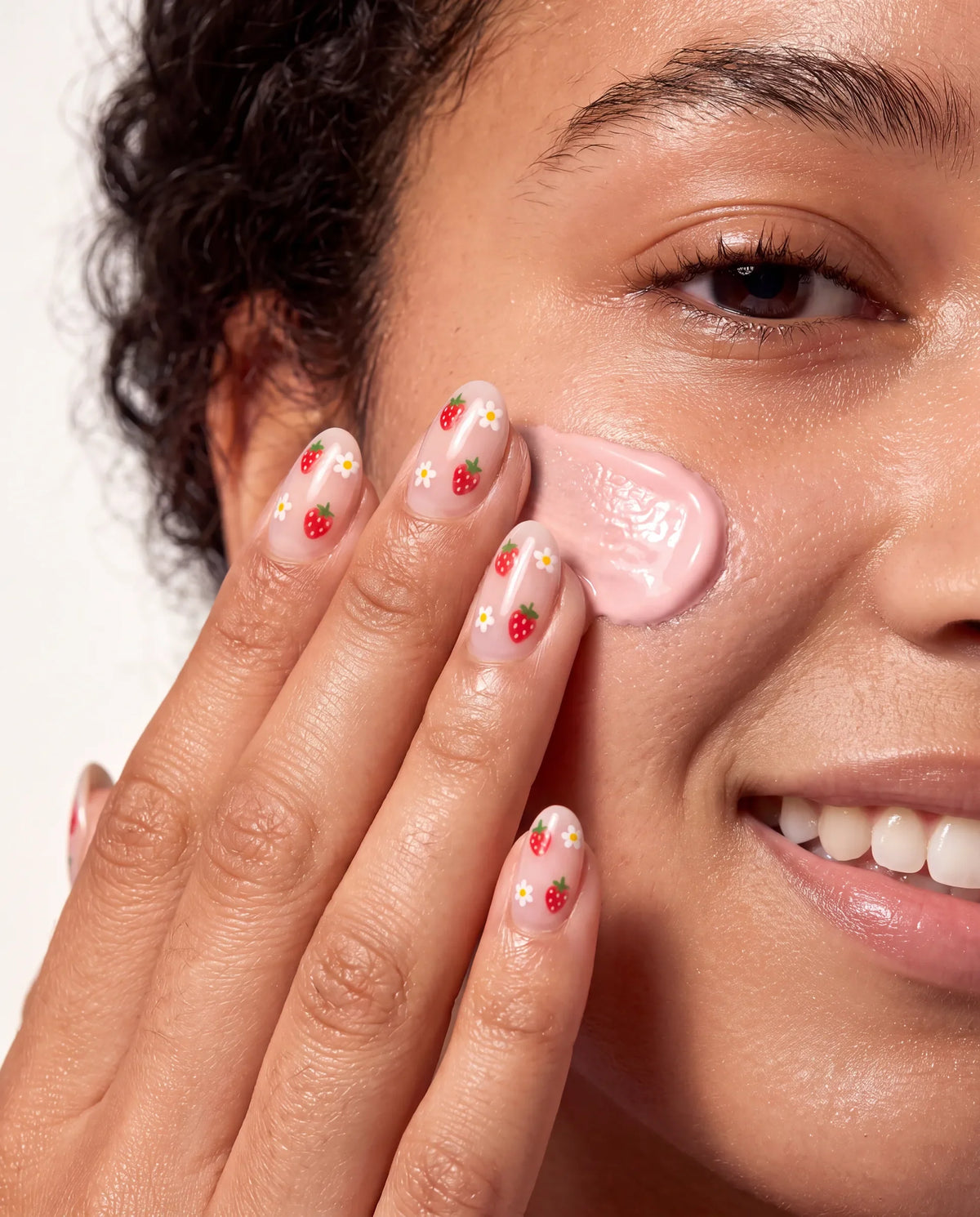
The best sunscreen is the one that goes on without a fight. Texture, smell and how fast it rubs in decide whether you get full coverage or a smear on one cheek. That’s why SunKids comes in fruit scents with real fruit color, and rubs in without streaks or stickiness.
One more thing
For babies under 6 months, ask your doctor before using any sunscreen. For everyone else, sunscreen works best alongside shade, hats, sunglasses and long sleeves, especially between 10 a.m. and 2 p.m.

