
Vitamin C and sunscreen: why you need both
SPF and vitamin C do different jobs. Here’s why they work best as a team, and how SunKids brings them together.
Read article

Made by a microbiologist & chemist
The science of mineral SPF
One powerful active: natural non-nano zinc oxide. Enriched with real fruit-derived color, antioxidant-rich polyphenols, and botanicals for clean, mineral sun protection.
By the numbers
*FDA proposed rule on sunscreen active ingredients (Federal Register, 2019): zinc oxide and titanium dioxide were the only 2 of 16 currently marketed actives proposed as generally recognized as safe and effective (GRASE).
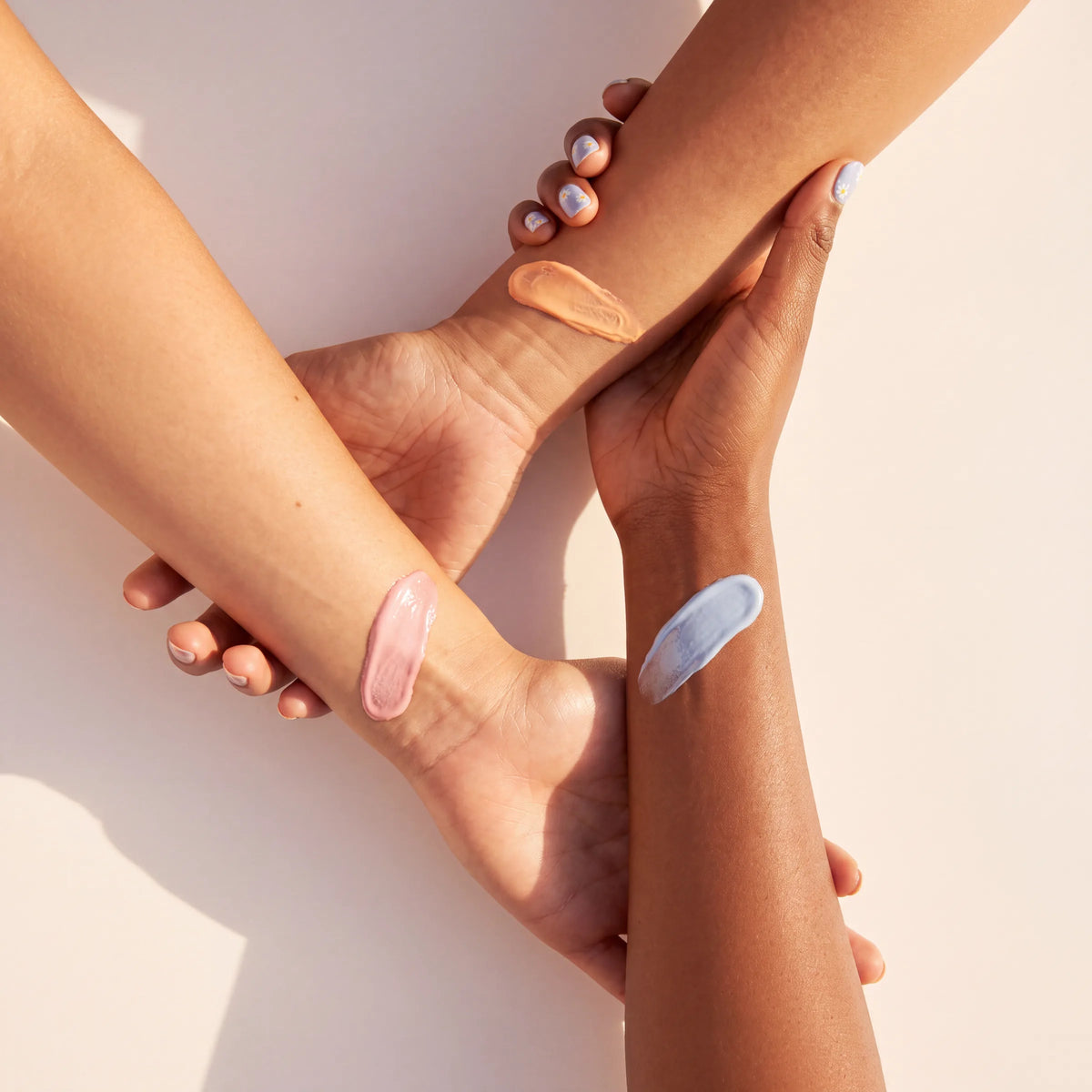
How it works
Zinc oxide 24.1%. That’s it.
SunKids™ uses a single active ingredient: non-nano zinc oxide. It’s a mineral UV filter that sits on top of the skin and gives broad spectrum UVA + UVB protection at SPF 50.
Chemical sunscreens use filters that absorb into the skin. We chose a mineral filter instead, so there’s no oxybenzone, no octinoxate and no octisalate in any pouch.
The hero ingredient
A small green fruit from Northern Australia with a big reputation. Here's why it's in our formula.
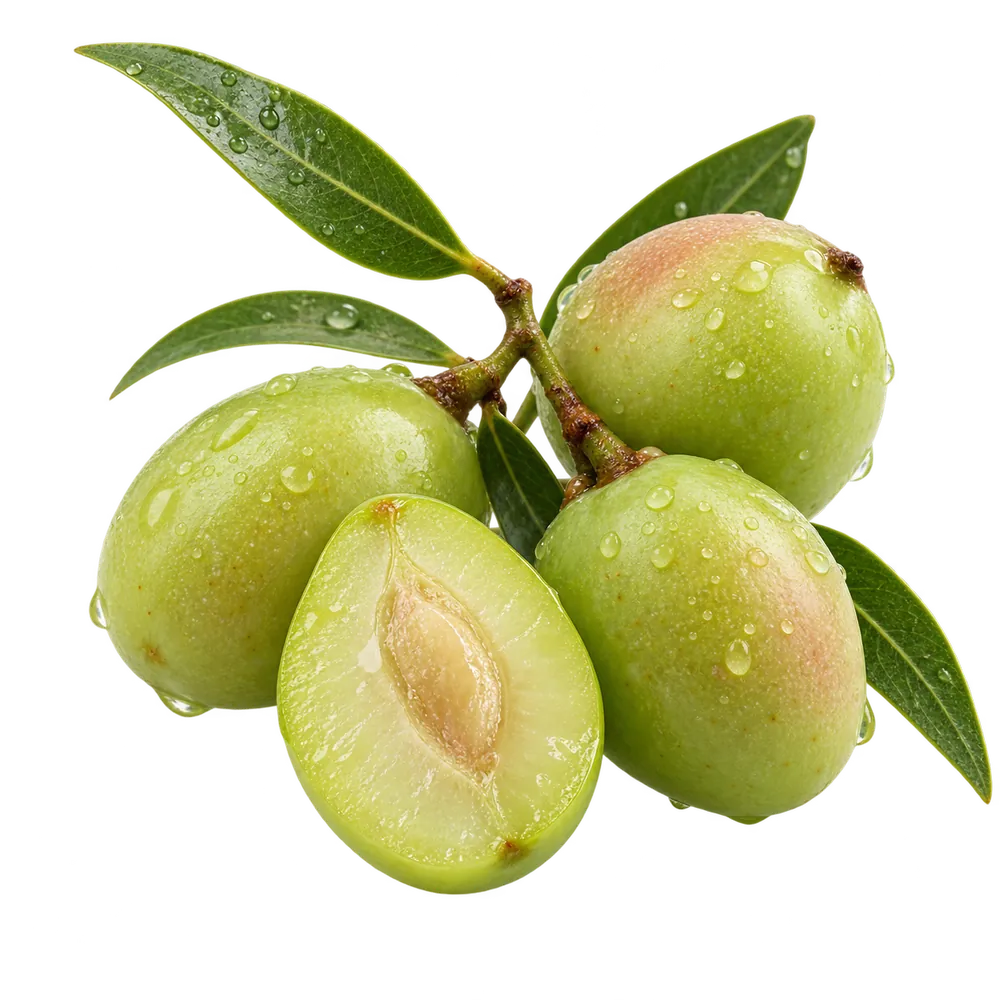
A wild plum native to Northern Australia, known to Aboriginal communities as gubinge.1,2
One of the richest natural sources of vitamin C ever recorded.1
Naturally packed with antioxidants, including vitamin C, ellagic acid and gallic acid.3
Helps skin feel soft, nourished and hydrated.
Powered by Vita Glow Complex
A priority blend releasing vitamin C, vitamin E, B12, antioxidants/polyphenols and squalane. Nourishing young skin while they enjoy the outdoors.
High SPF + high vitamin C = a powerful, multilayer defense against sun damage.
Fresh Kakadu plums have been measured at 2,300–3,150 mg of vitamin C per 100 g of fruit, more than acerola and about 50 times an orange.¹ ⁴
Values are for the fresh fruit, not the amount in each pouch.
Terminalia ferdinandiana grows wild across the tropical woodlands of northern Australia. Aboriginal communities have eaten it and used it as medicine for generations, and know it as gubinge, among other names.¹ ²
Vitamin C isn't the whole story. The fruit is also rich in polyphenols, especially ellagic acid, and together they give it unusually strong antioxidant activity.³
Why it's in SunKids™. Zinc oxide protects skin from UV. Kakadu plum is there for what zinc doesn't do: it brings antioxidants and vitamin C to help nourish skin that's been out in the sun. Protection from the mineral, nourishment from the fruit.

Made without
No parabens, phenoxyethanol, formaldehyde, oxybenzone, octinoxate, silicones or artificial colors. Gluten-free and soy-free.

Mineral + botanical care
24.1% non-nano zinc oxide, Kakadu plum, squalane, coconut extract and vitamin E. Color sourced from plants.

Tested protection
Broad Spectrum SPF 50. Water Resistant (40 minutes). Tested to FDA sunscreen labeling requirements.
Mineral vs. chemical
| SunKids™ | Typical chemical sunscreen | |
|---|---|---|
| Active ingredient | Zinc oxide 24.1% (mineral) | Chemical UV filters, e.g. avobenzone, homosalate, octocrylene |
| Where it works | Stays on top of the skin | Absorbed into the skin |
| Oxybenzone, octinoxate, octisalate & octocrylene | None | Common in many formulas |
| Protection | Broad spectrum SPF 50, UVA + UVB | Varies by formula |
| Water resistance | 40 minutes | Varies by formula |
| FDA view of the active* | One of only two actives the FDA has proposed as safe and effective | FDA has asked for more safety data on most chemical filters |
| Color | Real fruit color, no artificial colors | Not comparable |
*Based on the FDA’s 2019 proposed rule on sunscreen active ingredients. Comparison reflects typical chemical sunscreens, not any specific brand.
Who’s behind the formula
Developed by a microbiologist & chemist
With a background in biochemistry and microbiology, Karine built SunKids™ to be the sunscreen she wanted for her own family: cleaner, safer and something kids actually ask for.
Journal
SPF and vitamin C do different jobs. Here’s why they work best as a team, and how SunKids brings them together.
Read article
The label directions, plus the spots almost everyone misses.
Read article
What our one active ingredient is, how it works, and what “non-nano” means.
Read article