THE TRUTH ABOUT SPRAY SUNSCREEN
What parents should know about inhalation, coverage, and safety.
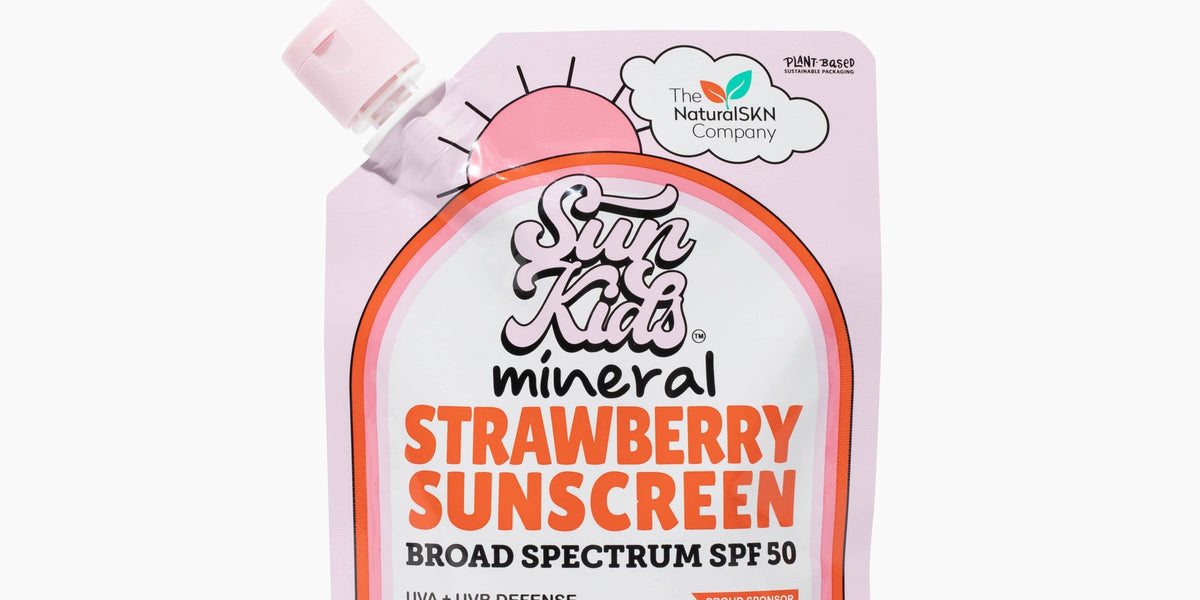
Getting sunscreen on a child who won't sit still is hard enough. Spray sunscreen seems like the easy solution, but is it? Sprays can provide effective sun protection, but airborne mist can be accidentally inhaled, and uneven application can leave skin underprotected. That's why we chose a squeezable pouch for SunKids™. It gives parents more control over where the sunscreen goes, without creating an airborne spray mist.
What's Actually in the Air?
Not all spray sunscreens are the same. Some use aerosol propellants like butane or isobutane, while others use non-aerosol pumps. Both can release airborne droplets that may be accidentally inhaled. The American Academy of Dermatology recommends avoiding inhalation and never spraying sunscreen directly onto the face.
Coverage is another concern. Wind can carry sunscreen away, making it harder to know how much actually reaches the skin. The Skin Cancer Foundation recommends spraying until skin visibly glistens, then rubbing it in evenly. Certain aerosol sunscreens also contain flammable ingredients. The FDA has documented burn incidents involving spray sunscreen and ignition sources, making flammability warnings especially important.
Why We Chose a Pouch Instead.
When developing SunKids™, we wanted packaging that considered both everyday use and material choices. Our flexible pouch dispenses sunscreen directly into your hands without creating an airborne mist or requiring aerosol propellants. It also uses a lightweight, bio-based laminate made with plant-derived materials. Unlike rigid bottles or aerosol cans, flexible packaging uses a different material structure and can require less packaging material by weight. Our empty pouch weighs approximately 10 grams.
But lightweight doesn't automatically mean more sustainable. Manufacturing, transportation, and disposal all contribute to a package's environmental impact. Our pouch also contains a metallized barrier layer that helps protect the formula. Because of its multilayer construction, it isn't suitable for standard curbside recycling or composting.
We believe it's important to be transparent about both the benefits and limitations of our packaging.
If You're Using Spray Sunscreen.
Spray sunscreen can be effective when applied correctly. The American Academy of Dermatology recommends spraying until skin visibly glistens, then rubbing it in for even coverage. Avoid spraying directly onto the face or near your child's nose and mouth. For facial application, spray into your hands first, away from the face, then carefully apply while avoiding the eyes. Choose a sheltered area away from wind and follow all flammability warnings.
For younger children, a lotion or cream may be easier to control. Whichever format you choose, apply enough to cover exposed skin and reapply according to the product's directions.
The Bottom Line.
Spray sunscreen is convenient, but airborne mist, missed spots, and flammability are worth considering, especially with kids. We chose a lightweight, bio-based pouch for a more controlled, mist-free application, while being mindful of the materials we use and the environmental challenges packaging still presents. Less in the air. More where it belongs. On your skin.
This article is for general educational purposes and isn't a substitute for individualized medical advice.
This article is for general educational purposes and isn’t a substitute for personalized advice from a pediatrician or board-certified dermatologist who understands your family’s skin and health history.
Learn more at theNaturalSKNcompany.com