WHAT A MICROBIOLOGIST WANTS YOU TO KNOW ABOUT SKINCARE
Good skincare starts with understanding what's in it.
After years of working in laboratory testing, I've learned that a good formula isn't about how many ingredients it contains. It's about choosing the right ones, understanding their purpose, and making sure they work well together. As a microbiologist and a mother, that's always been important to me. And when Mary and I started developing SunKids™, I wanted to bring that same approach to something families could use every day.
It's Not Just About the Ingredient List.
I often see ingredients described as good or bad simply because they're natural or synthetic. But science isn't quite that simple. A plant-derived ingredient can still cause irritation, and a synthetic ingredient can be perfectly appropriate for skincare. What matters is the ingredient's function, concentration, and how it performs in the finished formula.
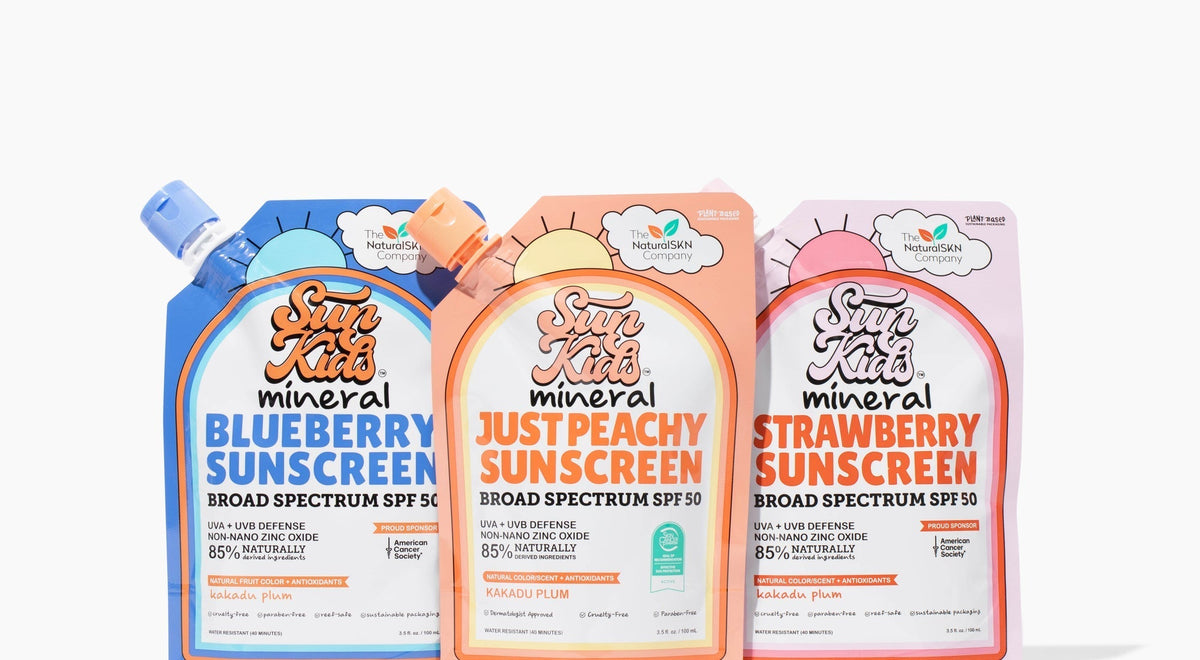
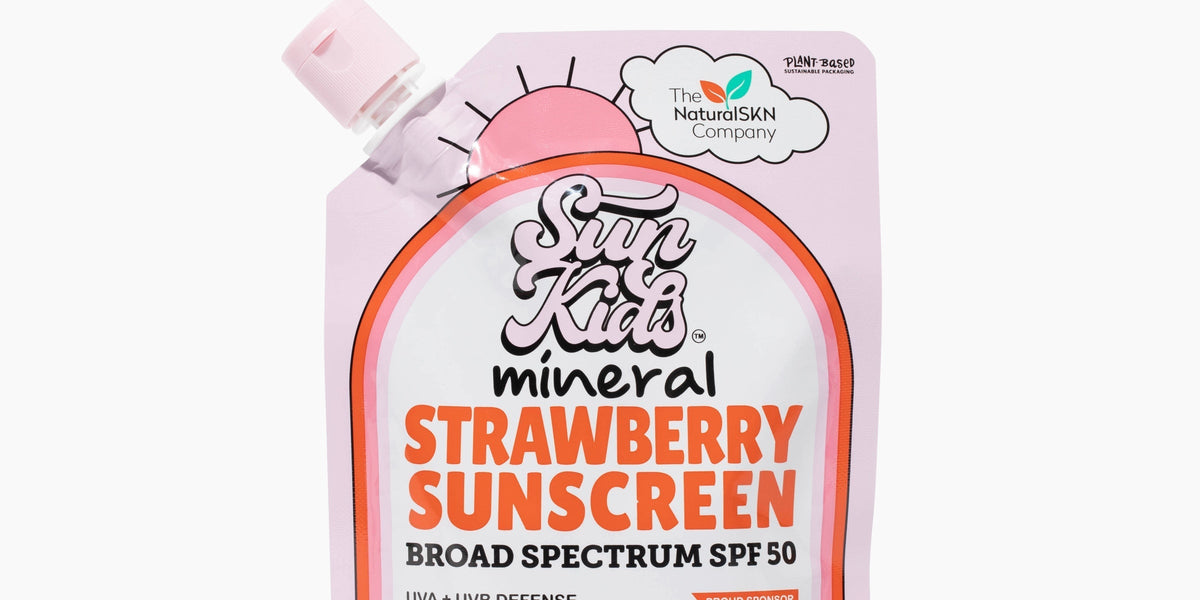
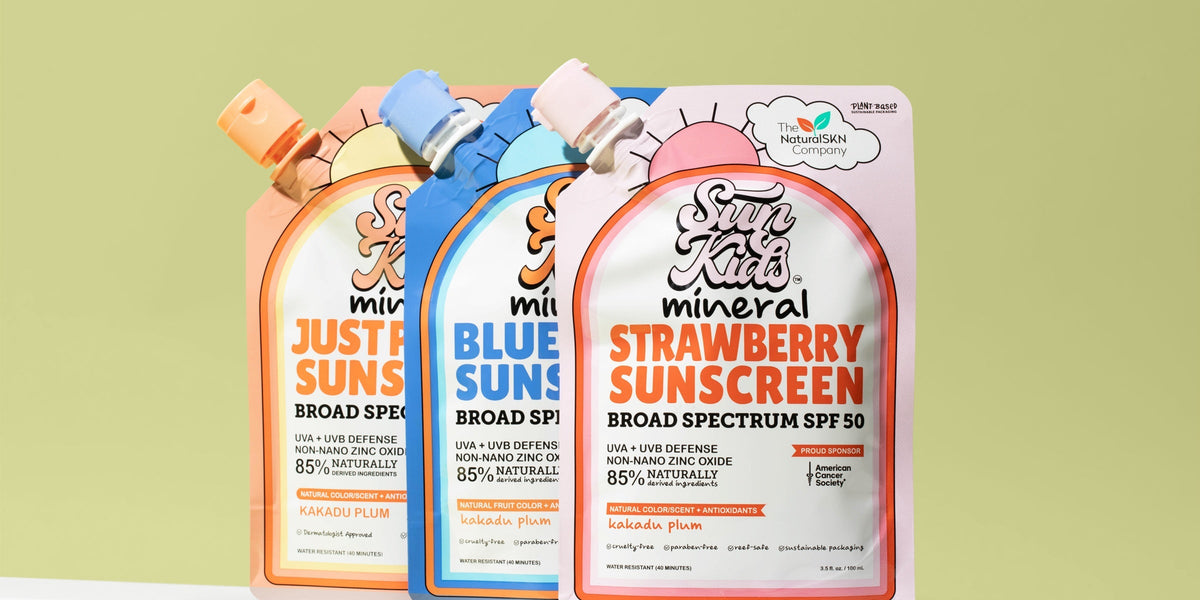
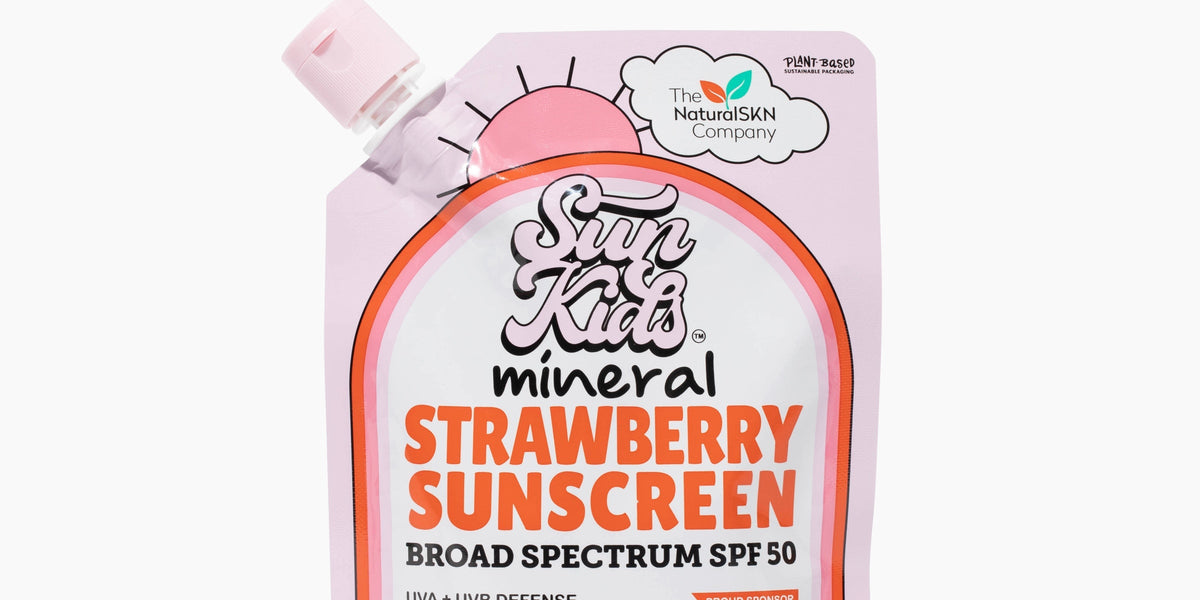
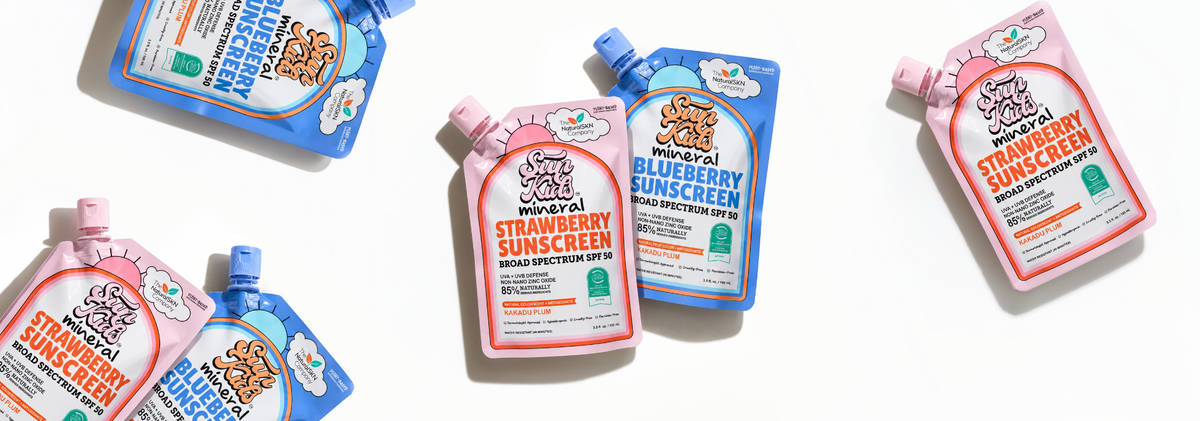
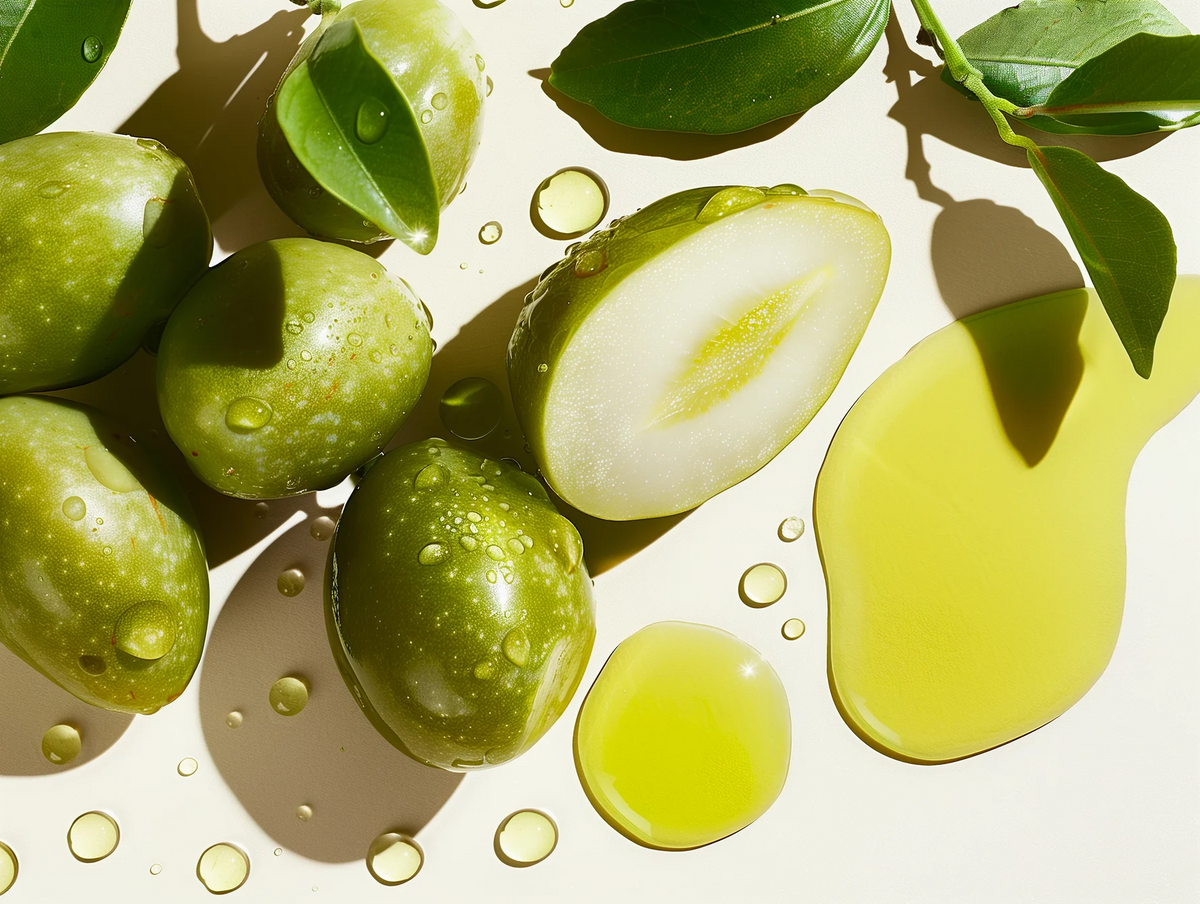
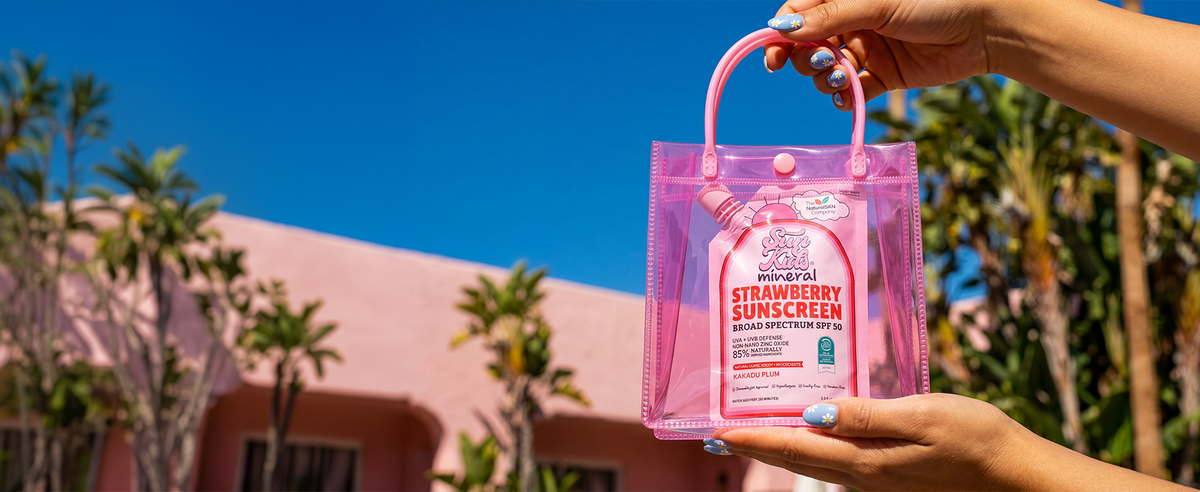
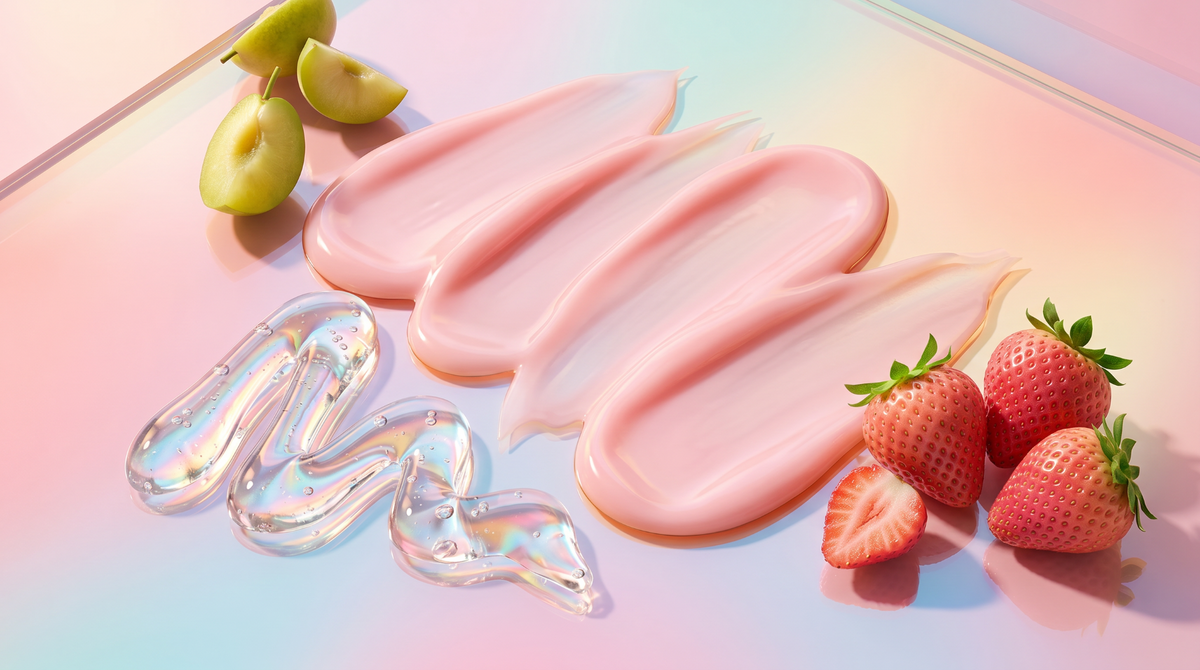
For example, we use glycerin to help attract moisture and sugarcane-derived squalane to soften and condition skin. We also include vitamin E, Kakadu plum extract, and fruit extracts in our Blueberry and Strawberry mineral sunscreens. Each ingredient has a role, but no single ingredient tells you everything about a product.
Why We Make Certain Choices.
We chose to formulate SunKids™ without chemical UV filters such as oxybenzone and octinoxate, along with parabens, phthalates, and artificial dyes. Some of those decisions reflect research into skin tolerance or potential environmental effects. Others are formulation preferences. I don't believe leaving an ingredient out automatically makes a product safer, and I think it's important for brands to explain the difference.
You can read more about our approach in what we leave out and why.
Testing Matters to Me.
Having spent much of my career in laboratory testing, I know how important it is to understand what a test actually measures.
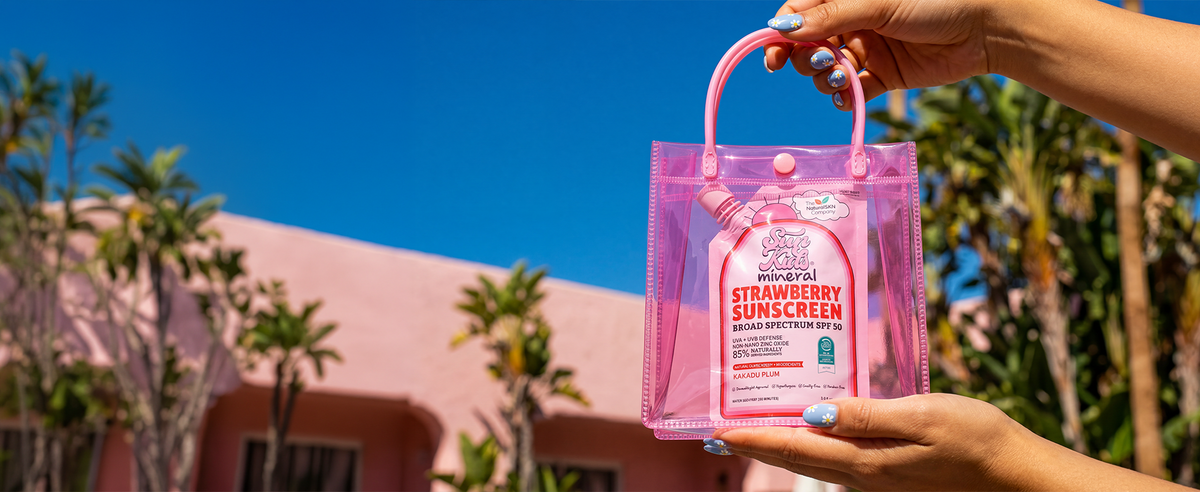
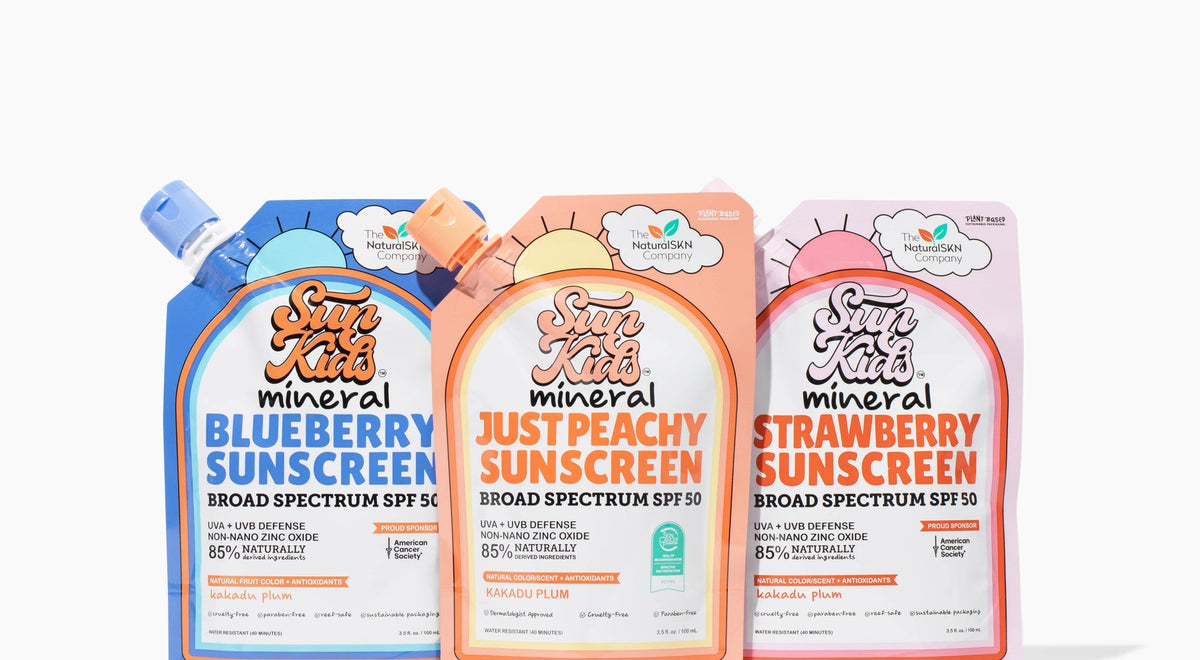
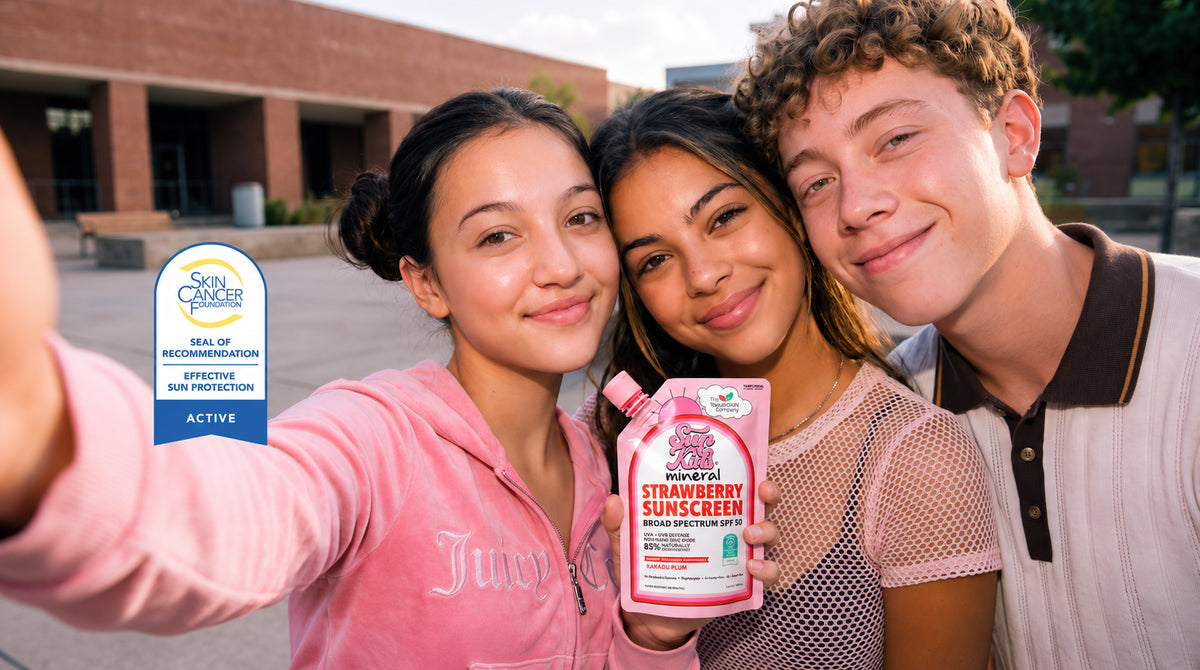
SunKids™ uses 24.1% non-nano zinc oxide as its sole sunscreen active and provides Broad Spectrum SPF 50 protection with Water Resistance (40 Minutes).
Our sunscreen has also undergone dermatological testing, including a Repeat Insult Patch Test (RIPT) to evaluate irritation and sensitization potential. But these tests answer different questions. Dermatological testing doesn't establish SPF, and a favorable result doesn't guarantee that every person will tolerate a product.
I believe good science means being clear about both what the results show and what they don't.
Learn more about the science behind SunKids™
The Experience Is Part of It.
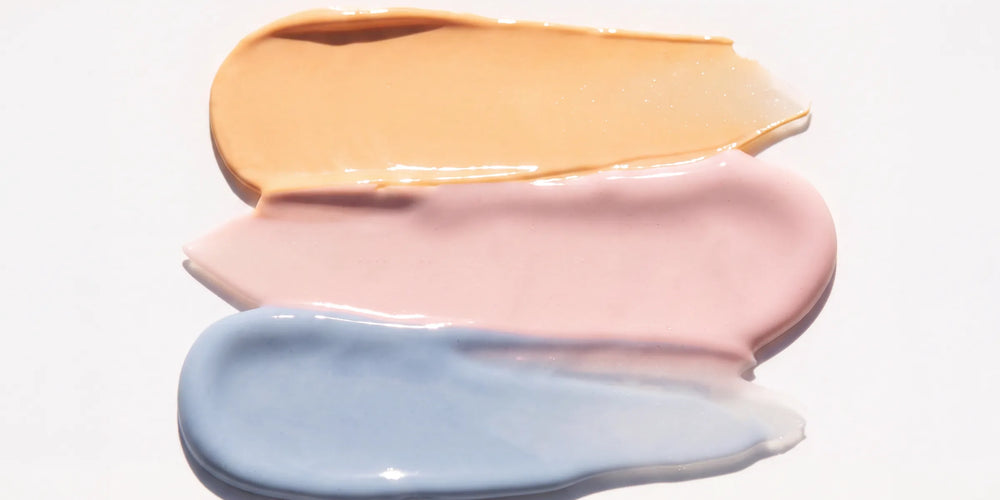
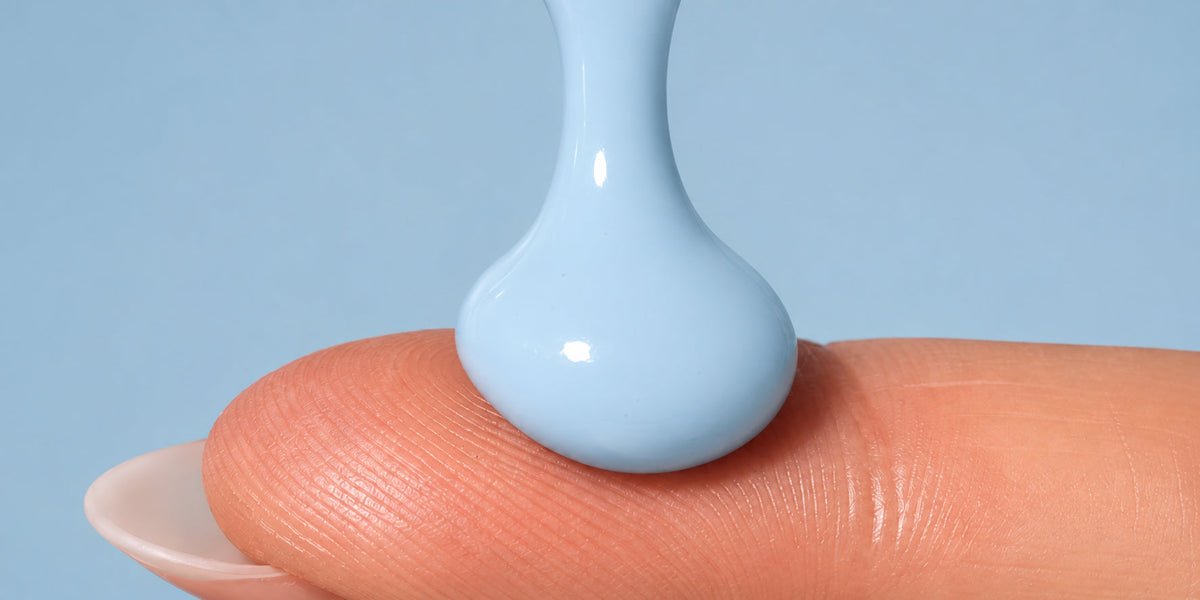
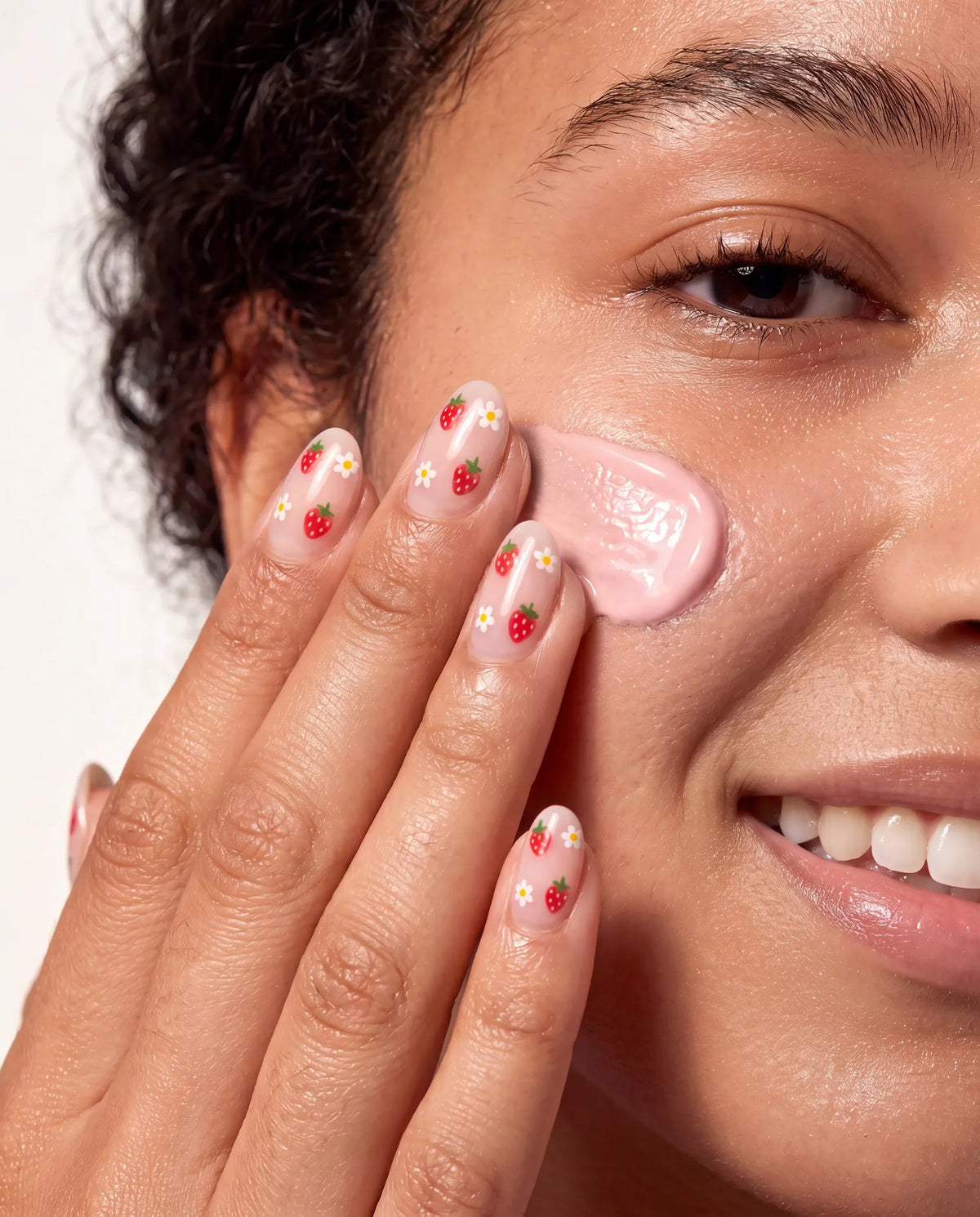
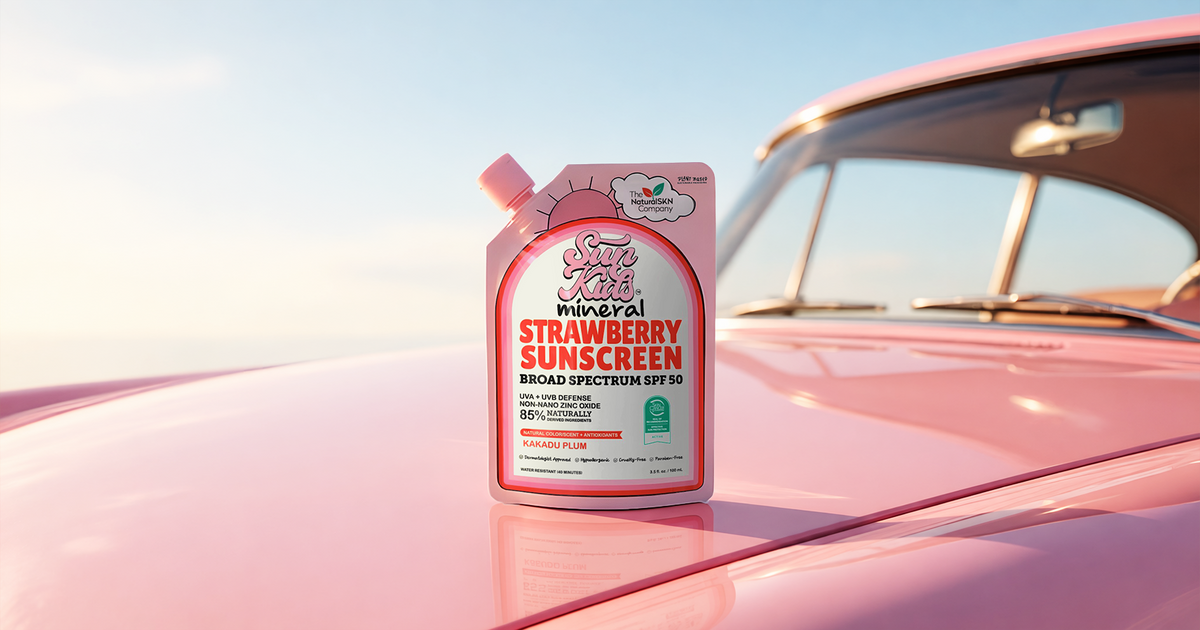
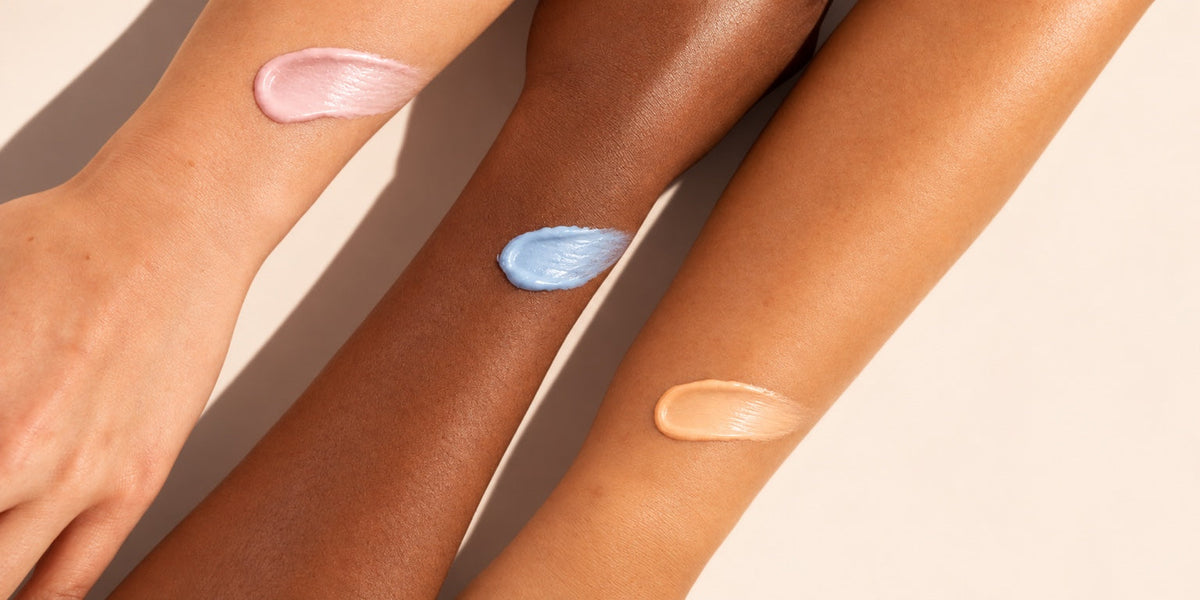
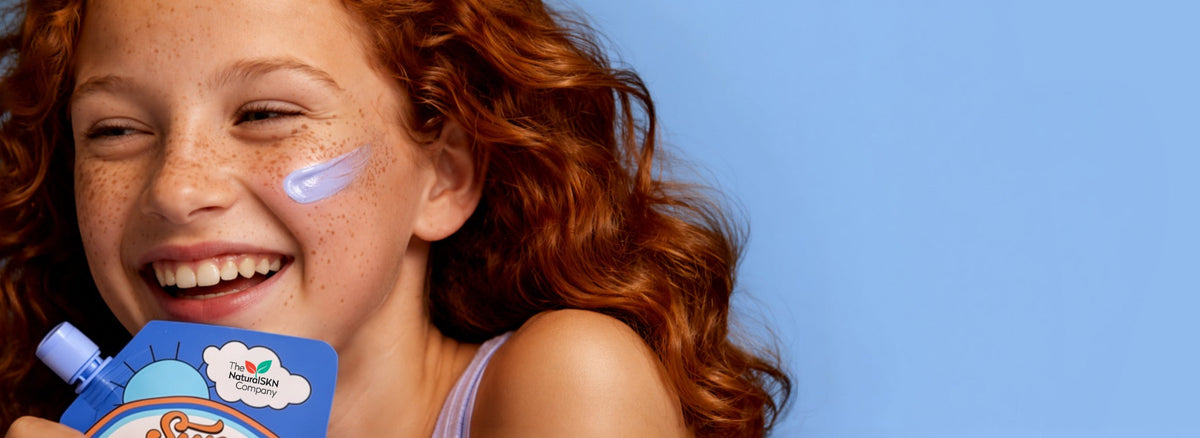
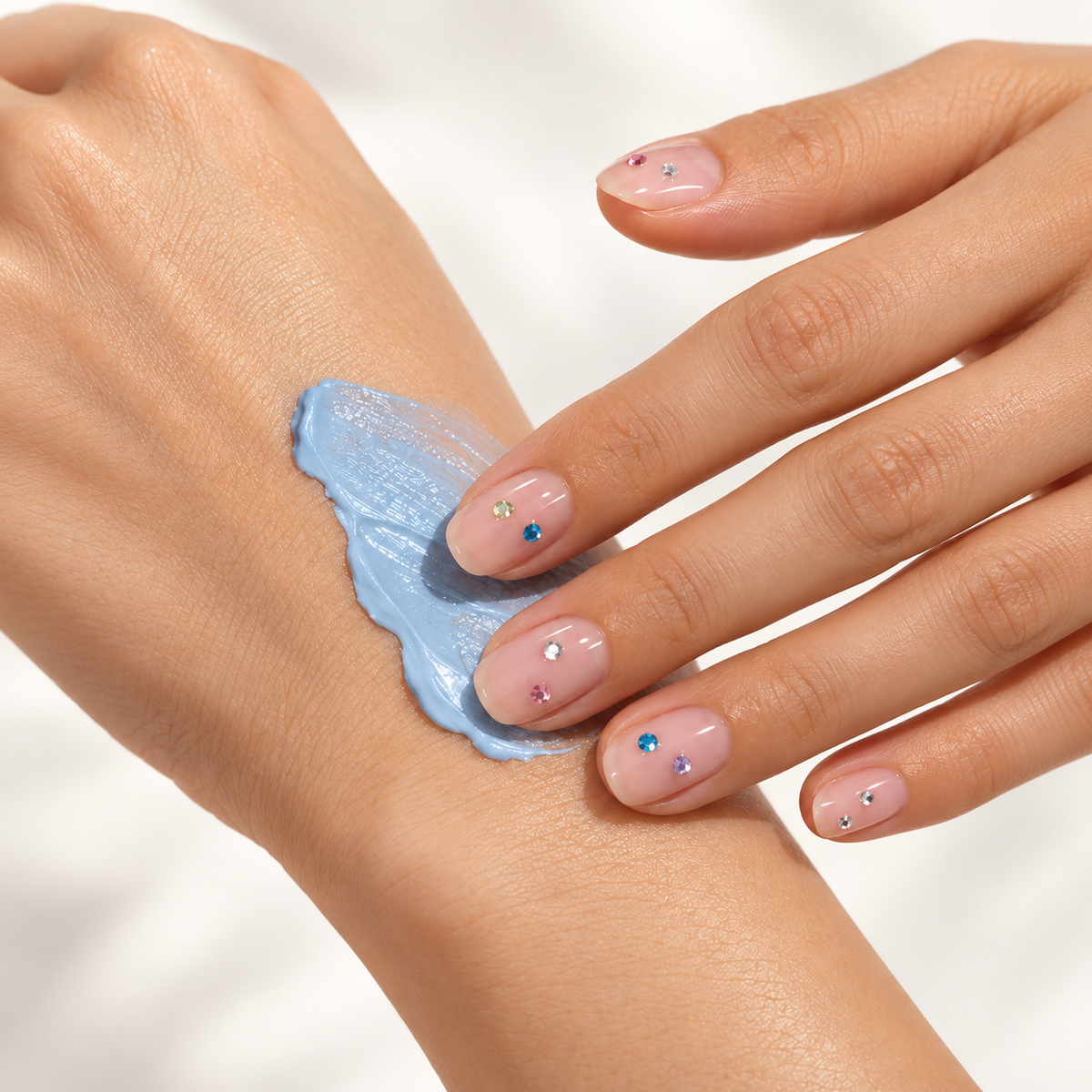
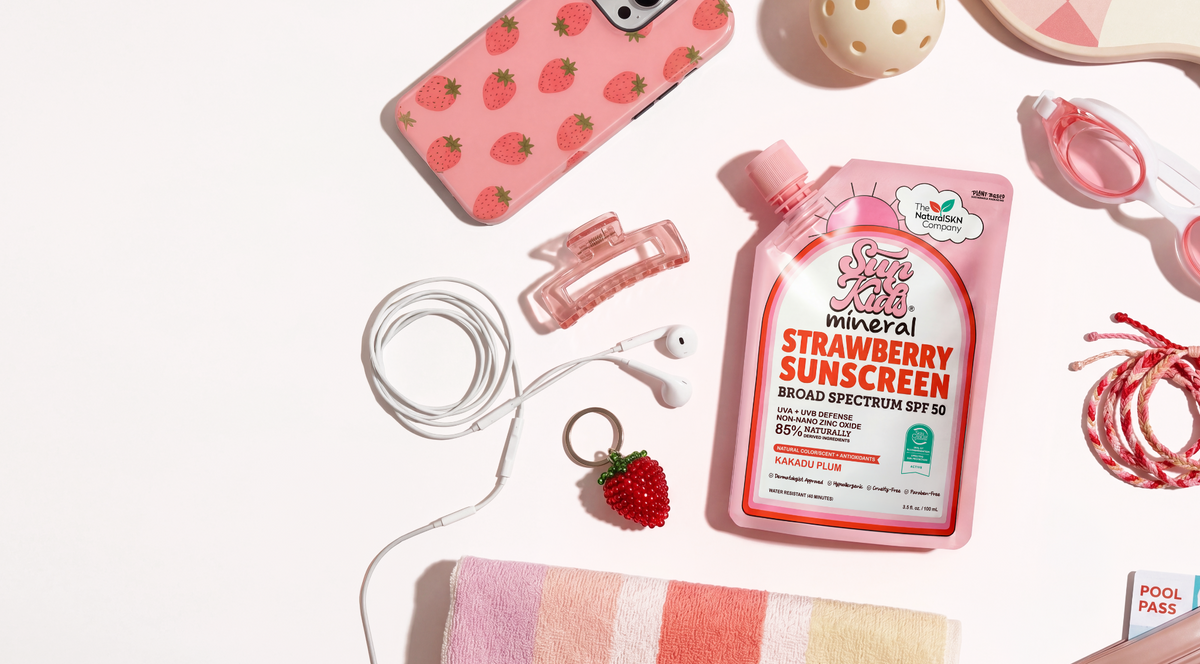
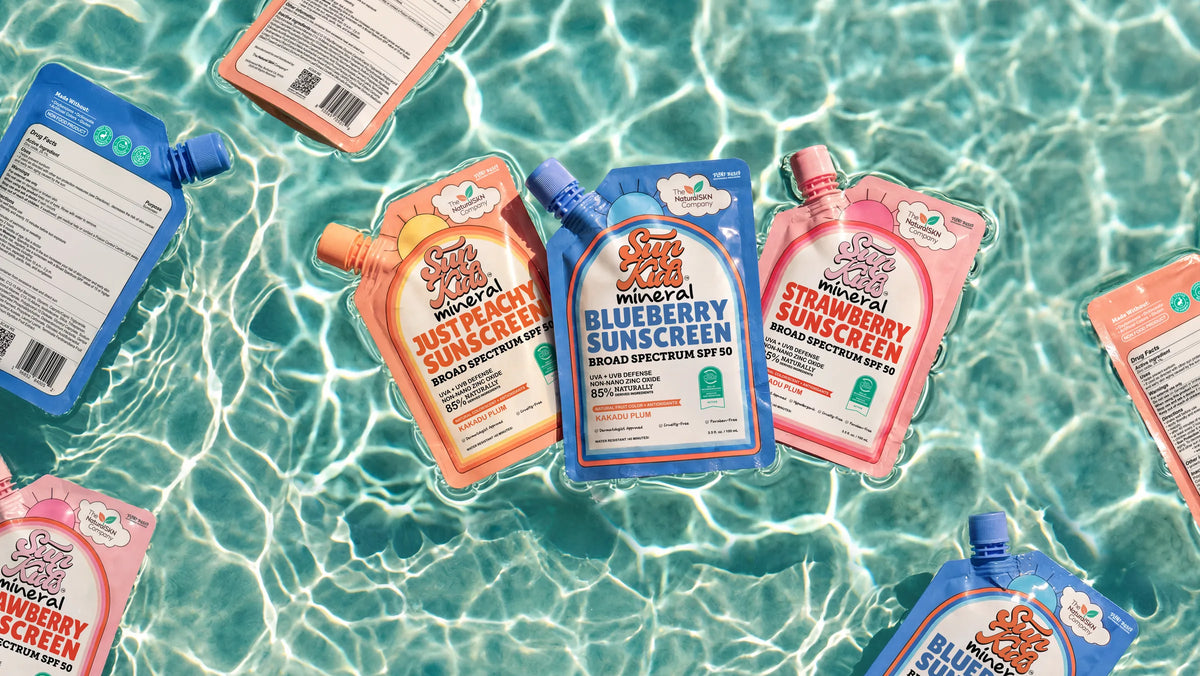
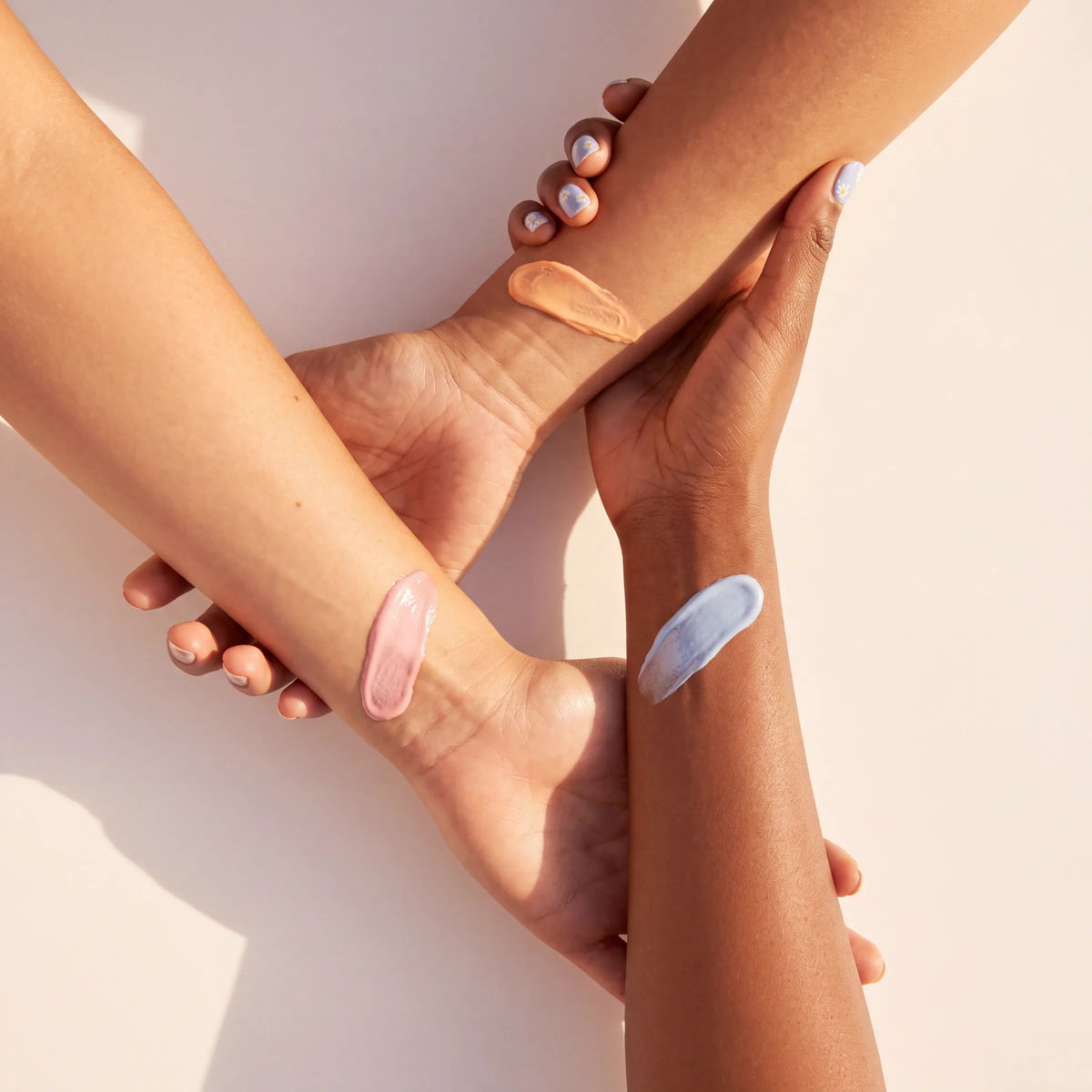
When Mary and I created SunKids™, we wanted to make sunscreen something families could feel comfortable using regularly. I focused on the scientific side of the formula, while Mary brought her perspective on how people experience a product. That's how the fruit-inspired colors and scents became part of SunKids™. Blueberry goes on blue, while Strawberry has a soft pink tint. Both are designed to blend into skin without leaving visible color behind.
The colors don't provide sun protection, but they make application more engaging. And if a child enjoys the process, it may help make sunscreen a more familiar part of their routine.
My Approach Has Always Been Simple.
I don't believe children need complicated skincare routines. Gentle cleansing, moisturizer when needed, and daily sun protection are a good foundation. The same thinking applies to choosing ingredients. Understand their purpose, consider the complete formula, and look at the evidence behind the claims. That's what I wanted to bring to The Natural SKN Company™. My experience in science, combined with something meaningful I could build with my daughter.
Because good skincare should be guided by science, not trends. When you’re ready to choose a pouch, the formula comparison separates ingredient differences from the SPF and water-resistance claims both berry formulas share.
Learn more at theNaturalSKNcompany.com