DERMATOLOGIST TESTED. BUT WHAT DOES THAT ACTUALLY MEAN?
The science behind skincare safety claims, explained by a microbiologist.
Dermatologist tested. Clinically tested. Hypoallergenic. You've seen these words on skincare packaging, but what do they actually tell you? As a microbiologist and a mother, I believe the testing behind a product matters more than the words on its label. Here's what I want parents to know.
Not All Testing Is the Same.
"Dermatologist tested" generally means a dermatologist was involved in evaluating a product, but it doesn't tell you what was measured, how many people participated, or what the results showed. The FDA doesn't establish one universal testing protocol for this claim. The same goes for "hypoallergenic," which doesn't guarantee a product won't cause an allergic reaction.
And "clinically tested" isn't the same as "clinically proven." A product may be tested for irritation, hydration, or UV protection, but each requires different evidence.
What I Look for in a Study.
Good testing starts with a clear purpose. Was the product evaluated for irritation, allergic reactions, or sunscreen performance? Who participated, and how were the results measured? Independent testing can add confidence, but what matters most is whether the study was appropriately designed and conducted. A favorable result answers a specific question. It doesn't guarantee that every person will respond the same way.
How We Test SunKids™.
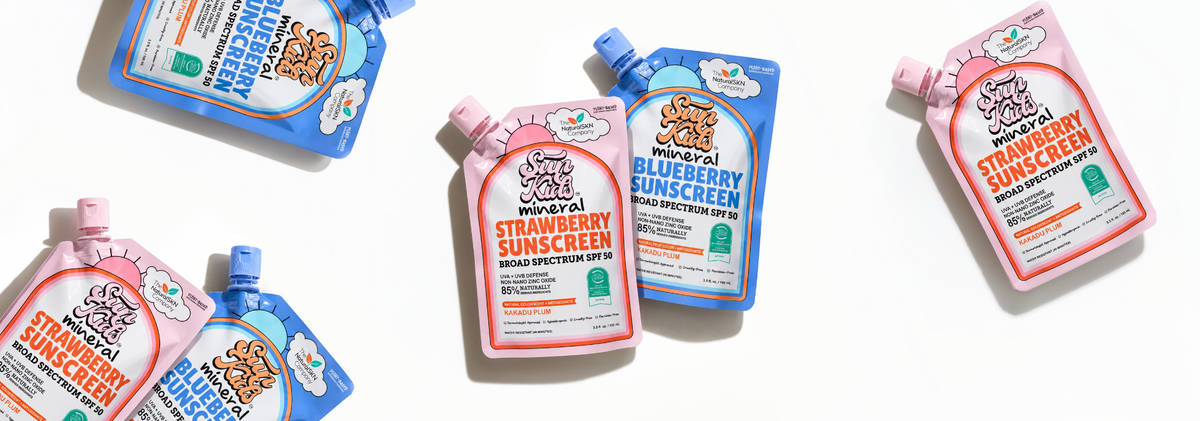
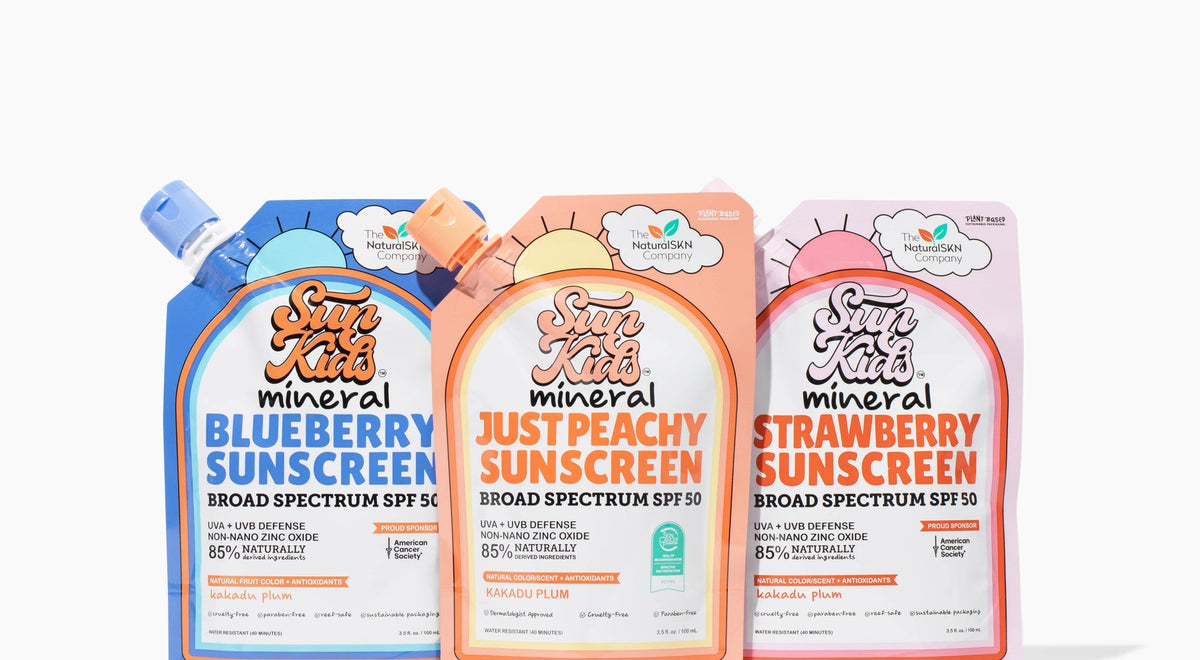
When Mary and I developed SunKids™, dermatological testing was an important part of our approach. Our sunscreen underwent a Repeat Insult Patch Test (RIPT), which evaluates the potential for skin irritation and sensitization through repeated applications under controlled conditions. The testing provides information about skin tolerance, but it doesn't guarantee that no one will experience irritation. It also doesn't establish SPF protection.
That's evaluated separately.
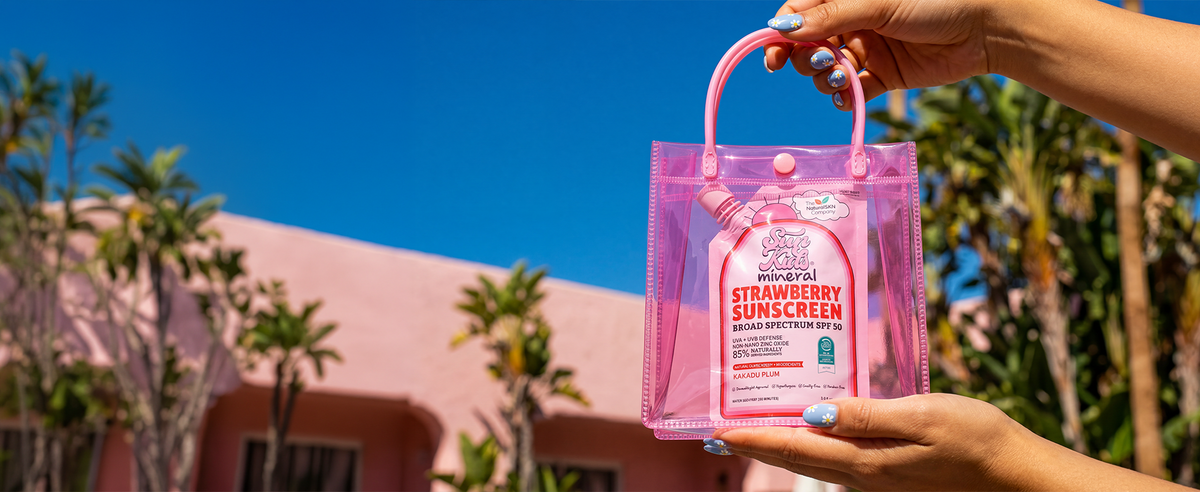
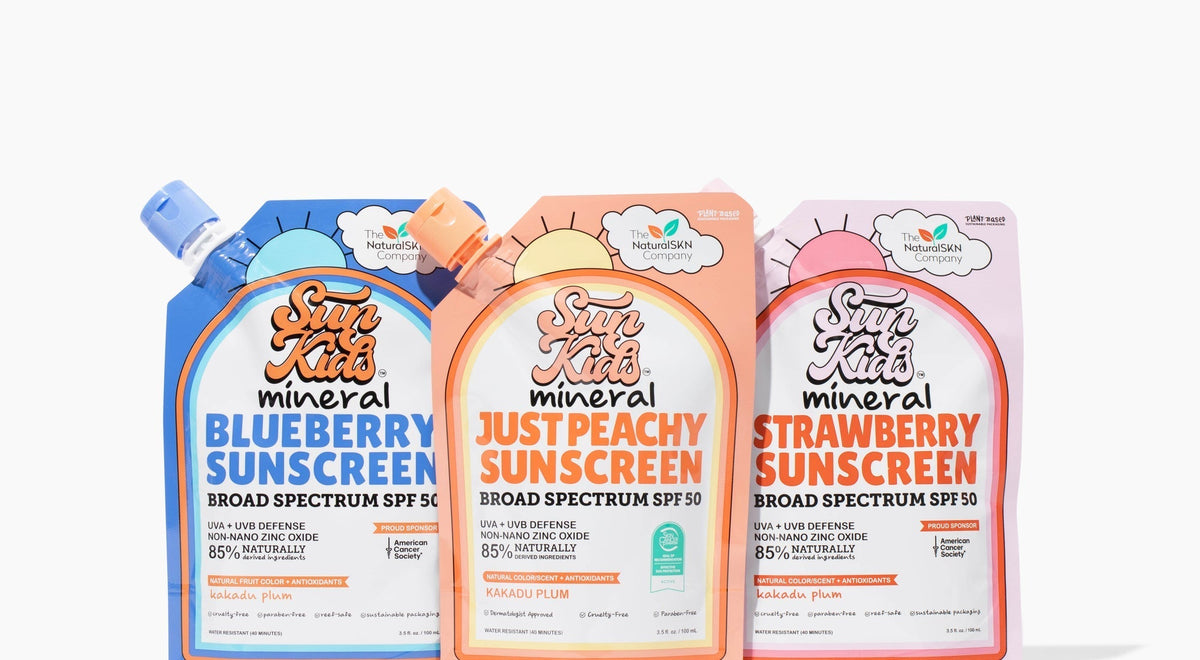
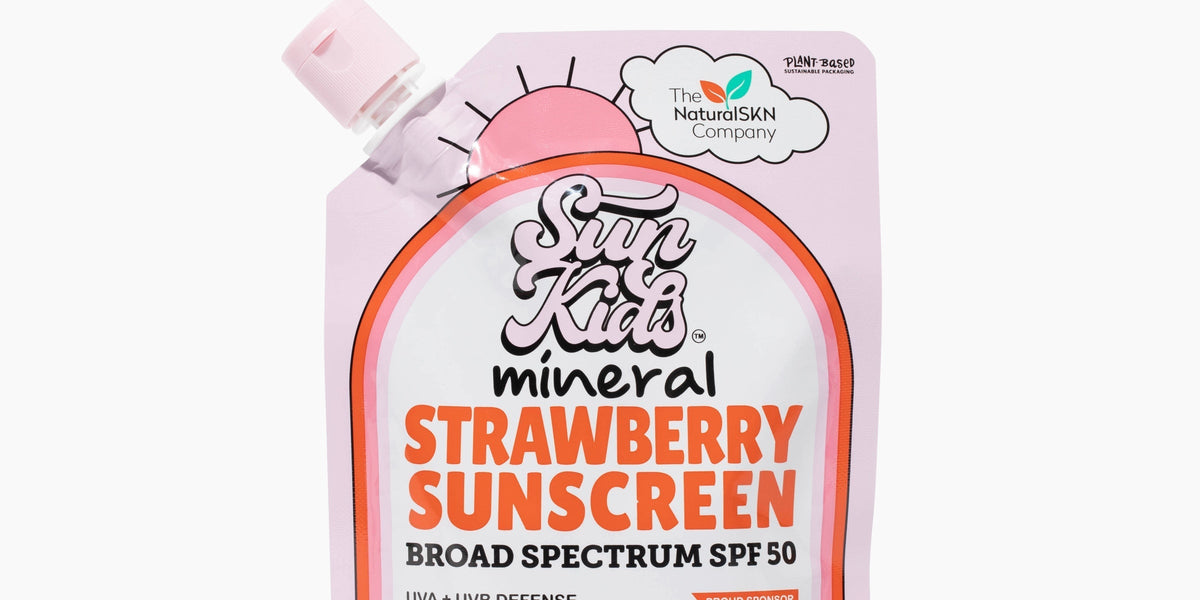
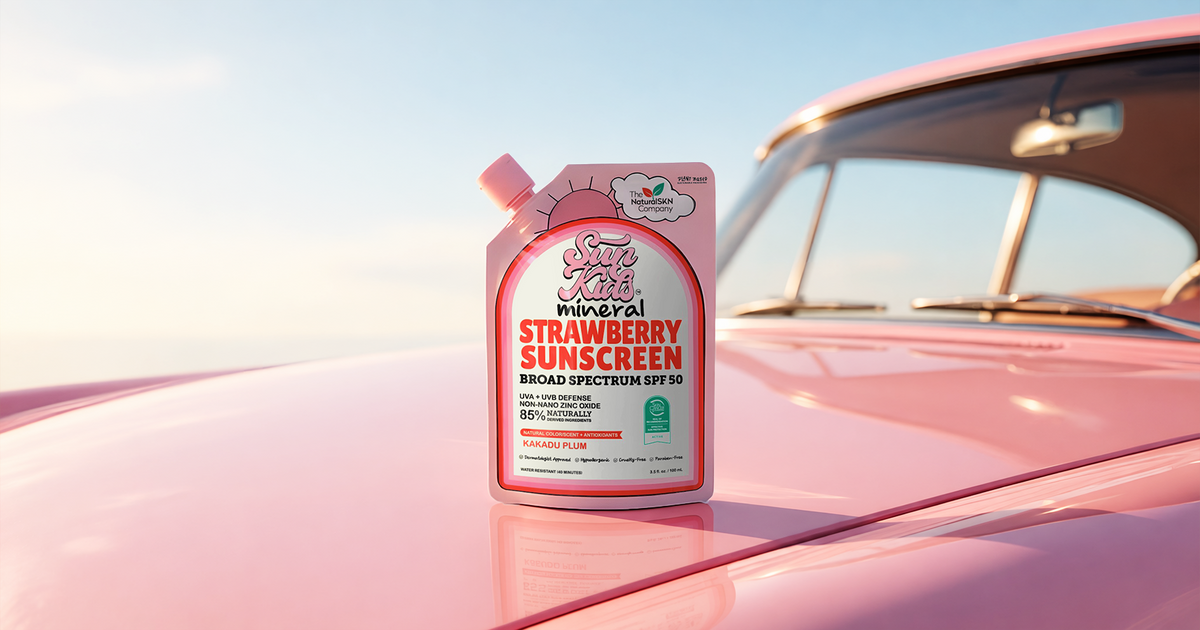
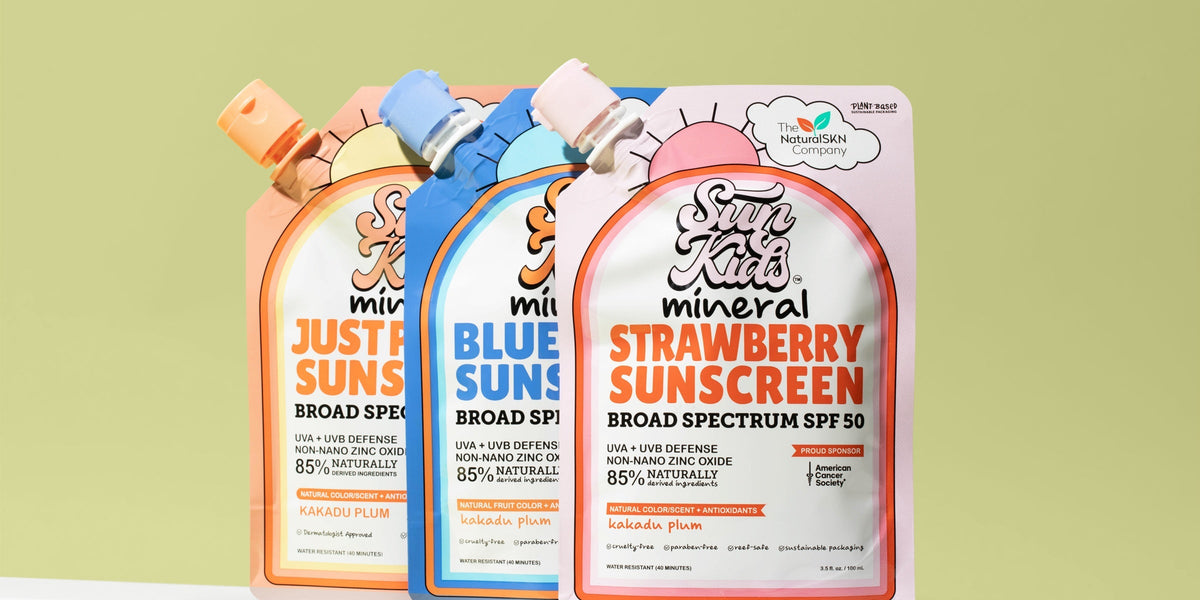
SunKids™ uses 24.1% non-nano zinc oxide and is labeled Broad Spectrum SPF 50 and Water Resistant (40 Minutes). SPF, broad-spectrum protection, and water resistance each require their own appropriate testing.
Tested Doesn't Always Mean Approved.
"Dermatologist tested" and "dermatologist approved" aren't interchangeable. One describes testing involvement; the other suggests a positive assessment or endorsement. Neither means a product is suitable for everyone. The complete formula matters, too. Ingredients, concentrations, preservation, and how a product is used all influence its performance. That's why I believe understanding the finished product is more useful than focusing on one ingredient or claim.
What Parents Should Know.
You don't need a science degree to choose skincare for your family. But it's worth asking what a product was tested for and whether the evidence supports its claims. For children with eczema, known allergies, or sensitive skin, a dermatologist or pediatrician can help guide product selection. Even well-tested products can cause individual reactions.
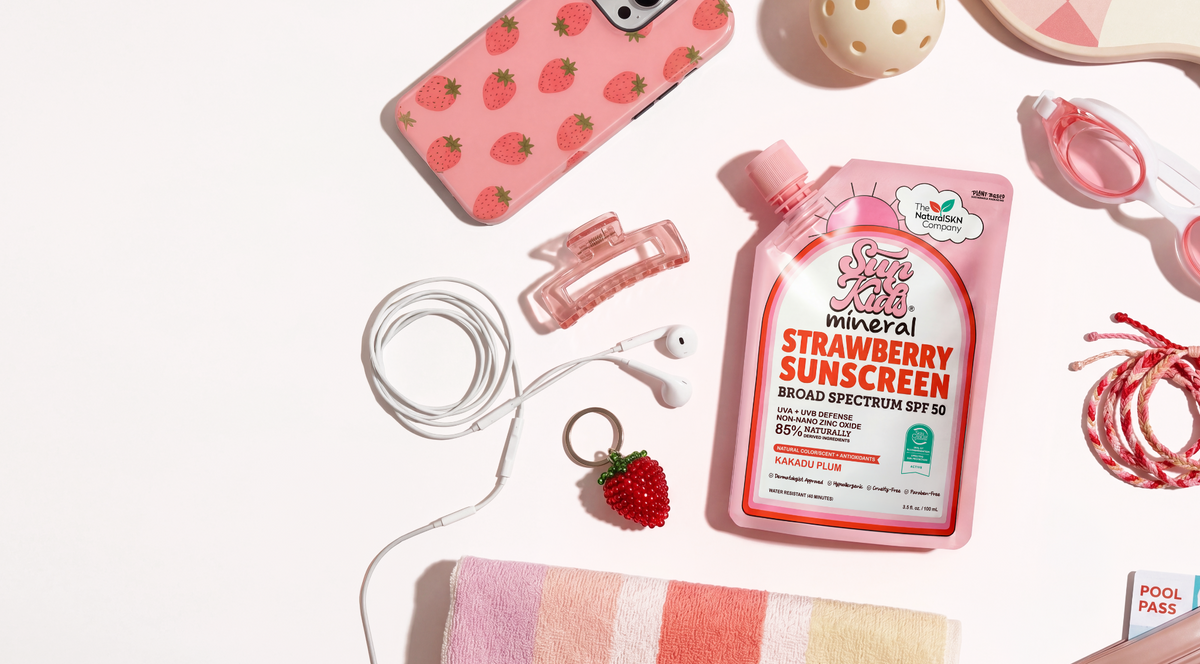
Good science should make skincare easier to understand. Not harder. That's the approach I bring to The Natural SKN Company™. Clear information, thoughtful formulation, and testing that supports what we say. Open the Drug Facts on Blueberry or Strawberry to see the SPF and water-resistance directions alongside the ingredient list. If fragrance is a concern, both berry formulas list it.
Learn more at theNaturalSKNcompany.com